27th–28th May 2027 | University of Birmingham, UK
Theme: Digital Death in Practice and Context: Care, Legacy, Technology and Society
The Digital Legacy Conference (DLC) and the Death Online Research Symposium (DORS) will come together in Birmingham in May 2027 for a major international event examining how digital technologies are transforming death, bereavement, end-of-life planning, identity and legacy. This is the first time that DORs and the DLC will host their international conferences together. They will take place over the course of three days.The conference will be hosted at the University of Birmingham, a leading Russell Group university which, in July 2026, ranked first in the Russell Group and among the UK’s top ten universities in the National Student Survey.
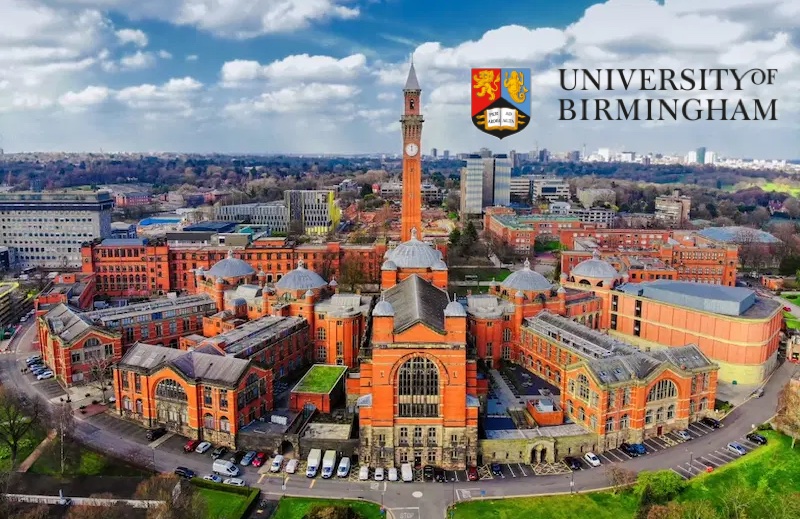
Collaborating with the Death Online Research Symposium & The University of Birmingham
The 2027 conference represents the first collaborative edition bringing together the Digital Legacy Conference and Death Online Research Symposium.
Rather than merging the two events into a single model, the programme will retain their complementary strengths: DORS as an international interdisciplinary research forum and DLC as a space connecting research with professional practice, policy, care and public engagement.
Our ambition is to create sustained dialogue between those who study digital death and those who encounter its consequences in professional and everyday life, and, in doing so, to develop new ways of thinking together about care, legacy, society and culture in an increasingly digital experience of death.
Call for abstracts – Open
Submission deadline: 27 November 2026
Notification of decisions: 18 December 2026
Academic papers
Please submit:
- title
- abstract of up to 250 words
- author name(s), affiliation(s) and contact details
- a short biography up to 100 words of each presenting author
Practice and policy contributions
We particularly welcome contributions from practitioners, policymakers, professional organisations, charities, healthcare and bereavement professionals, legal professionals, technologists and others working directly with issues of digital death and digital legacy.
These contributions might present:
- an emerging professional challenge
- a case study or example of practice
- policy or regulatory developments
- professional guidance or standards
- service or technology design
- lessons from implementation
- an issue on which dialogue with researchers would be particularly valuable
Please submit a proposal of up to 250 words, explaining the issue, experience or intervention you would like to share and its relevance to the conference theme.
Panels
We welcome proposals for complete panels of up to four contributions. Panels may be wholly academic, wholly practice/policy focused, or deliberately combine academic and professional perspectives.
Panel proposals should include:
- a panel title;
- an overall description of up to 250 words
- individual abstracts of up to 250 words each
- names, affiliations, contact details and a short biography (up to 100 words) for all contributors and the proposed chair
Alternative and interactive formats
We also welcome proposals for workshops, roundtables, facilitated discussions or other formats that encourage dialogue across academic and professional communities. Please explain the proposed format, participants and intended outcomes in up to 250 words.
Building the programme
Submissions may identify themselves primarily with DORS/research, DLC/practice and policy, or both. This will help the organisers develop a programme that preserves the character of both events while creating meaningful points of overlap.
The organising committee may group individual submissions into thematic panels. Where appropriate, we may also develop mixed academic–practice panels in order to bring complementary perspectives into dialogue.
We particularly encourage submissions from doctoral researchers, early-career researchers and professionals at earlier stages of their careers, as well as contributions from disciplines, communities and professional settings that have historically been less visible in digital death research.
Important information for DORS#8 accepted abstracts
The Birmingham event represents a new collaborative edition and a revised conference concept. Abstracts previously accepted or submitted for the planned DORS#8 event in Denmark 2026 will therefore not transfer automatically.
We warmly encourage previous DORS#8 contributors to join us in Birmingham, but all proposals must be resubmitted through the new 2027 submission process. Authors are welcome to resubmit their previous proposal unchanged where appropriate, or revise it in light of the new conference theme and collaborative DLC × DORS format.
Why this conference is important
Society is spending an increasingly large amount of their lives online. Our personal photos, videos and items of both a sentimental and monetary value are often locked behind password protected devices and online accounts. It is therefore becoming increasingly important that we make plans for our digital life before we die. Health, Care, Legal, Technology and Managerial professionals need to adapt practice, policies and procedures to better support society with this ever-increasingly important area.
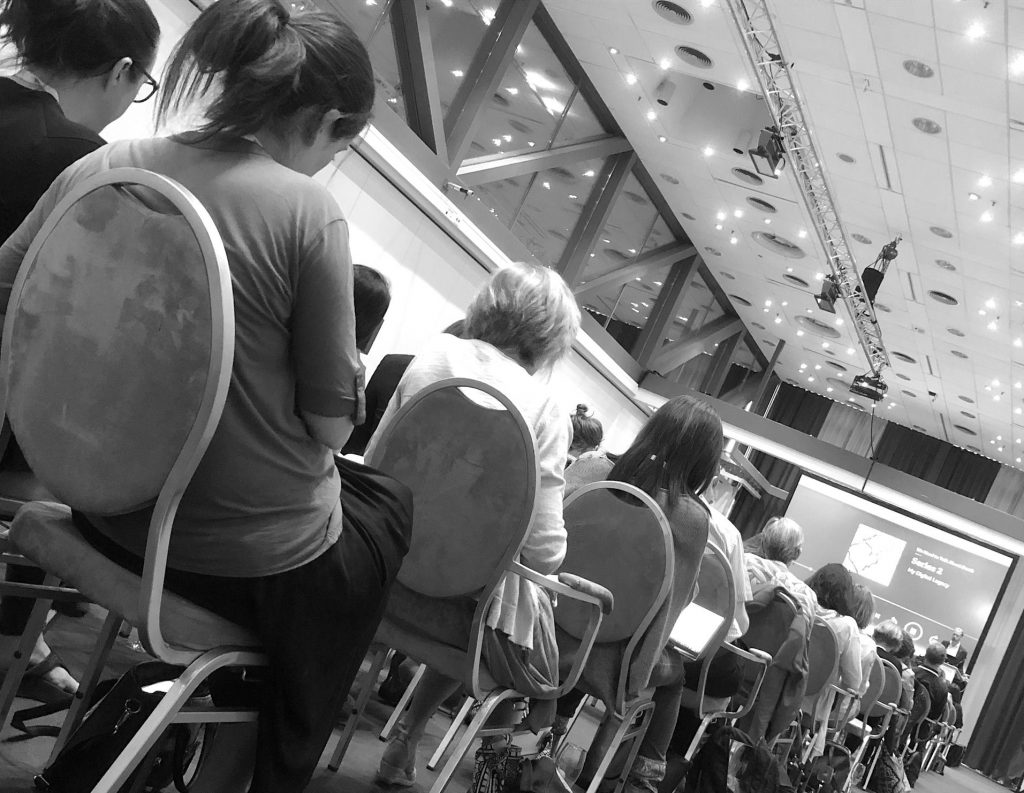
Professor Mark Taubert speaking at The Digital Legacy Conference (part of EAPC, Berlin)
Societal Change
Compassionate, person centred care now needs to be delivered to society both in person and through technological platforms. Societal needs are changing and it’s the responsibility of professionals to learn, adapt practice and up skill when it is relevant to do so.

Who is the Digital Legacy Conference 2027 for?
The Digital Legacy Conference is suitable for those involved in technology, healthcare, legal, technology, funeral, policy, public health, social care, palliative care and academia.
About The Digital Legacy Conference
The Digital Legacy Conference is a not for profit conference organised by the Digital Legacy Association. It has previously taken place in London, Rotterdam, New York, Bern, Berlin, Taipei and Online (during COVID-19).
Submit an abstract
We welcome abstracts in the field of digital death, digital assets, digital legacy, grieving online and fields within the periphery.